
Cupping therapy has become increasingly popular among individuals looking for natural ways to support recovery, reduce physical tension, and improve movement quality. While this treatment has existed for centuries, more people today are discovering how cupping therapymay help relieve pain, improve mobility, and support overall wellness.
From athletes and active adults to individuals dealing with everyday physical stress, cupping therapy has become a commonly requested treatment option because it supports the body’s natural recovery process.
Whether you are searching for a cupping chiropractor in Greeley, Colorado, or looking for medical cupping near me in Greeley, understanding how this treatment works can help you decide whether it fits your wellness goals.
What Is Cupping Therapy?
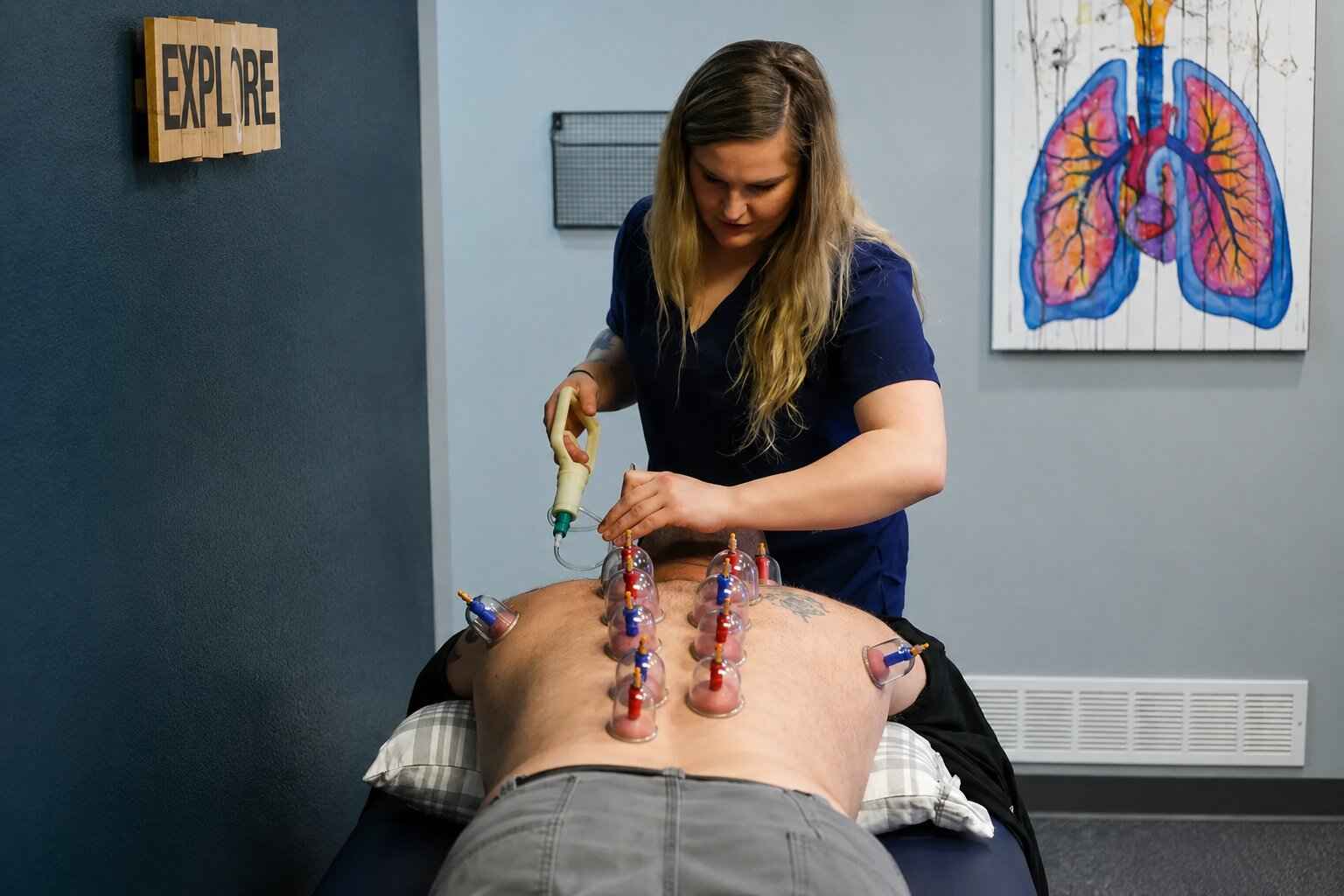
Cupping therapy is a treatment technique that uses specialized cups placed on the skin to create gentle suction. This suction creates negative pressure that lifts tissues slightly rather than compressing them. The treatment is often used to support muscle recovery, improve movement quality, reduce muscular tension, and encourage circulation.
Although many people associate cupping therapy with athletes or sports recovery, the treatment is commonly used for a wide range of movement and recovery goals. Today, modern cupping techniques are frequently combined with other wellness approaches to create more personalized treatment plans.
How Does Cupping Therapy Work?
The suction created during cupping therapy affects soft tissues beneath the skin. Rather than pushing downward like traditional massage techniques, cupping gently lifts tissues upward.
This process may help support:
- Improved circulation
- Reduced muscular tightness
- Better tissue mobility
- Improved movement quality
- Recovery support after physical stress
Because the treatment focuses on soft tissue mobility, many individuals report feeling less restricted following sessions. The exact experience varies depending on treatment goals and individual needs.
Why More People Are Trying Cupping Therapy
Growing interest in recovery and wellness has contributed significantly to the popularity of cupping therapy. Many individuals want treatment options that focus not only on symptoms but also on improving movement and supporting overall physical function.
Modern lifestyles also contribute to increased physical stress.
Long periods of sitting, repetitive movement, exercise demands, poor posture, and physically demanding work can all create muscular tension and movement restrictions. Cupping therapy has gained attention because it may help address these common physical stressors while supporting recovery. Individuals seeking medical cupping services in Greeley are often looking for solutions that fit into broader wellness and recovery plans.
Cupping Therapy for Pain Relief
Pain relief is one of the most common reasons people explore cupping therapy. Physical discomfort often involves multiple factors, including muscle tension, movement restrictions, repetitive stress, and physical overload. Cupping therapy may help support pain relief by encouraging improved movement within soft tissues and reducing muscular tightness.
People commonly seek cupping therapy for back discomfort, neck tension, shoulder tightness, muscular soreness, movement restrictions, and physical stress related to activity. Because every person responds differently, treatment plans are usually personalized around specific goals.
Can Cupping Therapy Improve Mobility?
Mobility affects nearly every physical activity. When muscles become tight or movement restrictions develop, simple tasks can feel more difficult. Cupping therapy may help improve mobility by supporting tissue movement and reducing soft tissue restrictions.
Improved mobility may influence activities such as:
- Walking comfortably
- Exercising
- Lifting objects
- Reaching overhead
- Maintaining posture
- Moving more efficiently
Movement quality often improves when tissues move more freely. This is one reason many active individuals incorporate cupping therapy into their recovery routines.
Cupping Therapy and Recovery Support
Recovery is an important part of maintaining physical health. Exercise, repetitive movement, physically demanding jobs, and prolonged sitting all place stress on muscles and joints. Cupping therapy is frequently used to support recovery because it focuses on tissue mobility and muscular relaxation.
Individuals seeking a cupping chiropractor in Greeley, Colorado, often look for treatments that support physical recovery and help them maintain active lifestyles. At Health by Design Chiropractic, many patients appreciate treatment approaches that focus not only on discomfort but also on movement quality and recovery support.
What Does Cupping Therapy Feel Like?
One of the most common questions involves what treatment actually feels like. Most individuals describe cupping therapy as creating a pulling or lifting sensation. Unlike treatments that create downward pressure, the cups create suction that gently lifts tissue.
The experience varies depending on treatment intensity and placement. Some patients report feeling relaxed during sessions, while others notice reduced muscular tightness afterward. Temporary circular marks may appear following treatment. These marks typically fade naturally over time and are generally considered a normal response to treatment.
Who May Benefit From Cupping Therapy?
Cupping therapy is used by individuals with many different goals. Some people seek treatment because they experience recurring muscular tightness or physical stress. Others use cupping therapy to support recovery, maintain mobility, or improve movement quality.
Common reasons people explore treatment include: Physical tension from work, sports recovery, movement restrictions, exercise recovery, posture-related discomfort, and maintaining active lifestyles. Because treatment goals vary, sessions are often customized based on individual needs.
Combining Cupping Therapy With Other Wellness Approaches
Cupping therapy is frequently used alongside other treatment approaches. Rather than functioning as a standalone solution, many providers integrate cupping therapy into broader wellness plans. Combining treatments may help address multiple factors contributing to physical limitations.
This often creates more personalized treatment strategies focused on movement quality, recovery, and physical function. Many individuals seeking medical cupping services in Greeley are specifically interested in treatment approaches that combine multiple recovery methods.
Choosing the Right Provider for Cupping Therapy
Finding the right provider involves more than simply choosing the closest location. Look for professionals who evaluate movement patterns, understand recovery goals, and create personalized treatment strategies.
Whether you are looking for a cupping chiropractor in Greeley, Colorado, or exploring local medical cupping services, personalized care often creates better experiences because treatment plans align with individual goals. The best approach focuses on understanding why movement restrictions or physical stress developed rather than only treating symptoms.
Cupping Therapy Services at Health by Design Chiropractic
Our team works closely with each patient to create treatment plans that support recovery, mobility, and long-term wellness. In addition to cupping therapy, Health by Design Chiropractic offers chiropractic adjustments, soft tissue therapies, corrective exercises, and personalized wellness plans. Our goal is to help patients improve function, recover from physical stress, and maintain long-term health through customized care.
Cupping therapy is often incorporated alongside chiropractic care and other therapeutic services to create a more comprehensive treatment plan. By focusing on movement quality and recovery support, we help patients maintain active lifestyles and work toward their long-term wellness goals.
Final Thoughts
Cupping therapy continues to grow in popularity because many individuals want treatment approaches that support movement, recovery, andphysical wellness. By focusing on tissue mobility, muscular tension, recovery support, and movement quality, cupping therapy may help individuals improve physical function and maintain their active lifestyles.
Whether your goal involves recovery support, mobility improvement, or addressing physical tension, cupping therapy has become a valuable part of broader wellness strategies for many active adults and health-conscious individuals. Sustainable improvements often happen when treatment, movement habits, recovery practices, and personalized care work together.
Disclaimer:
Cupping therapy may not be suitable for everyone. The information in this article is provided for educational purposes only and should not be considered medical advice. Please consult a qualified healthcare professional before starting any new treatment or wellness program.
Frequently Asked Questions
1: What is cupping therapy used for?
Cupping therapy is commonly used to support recovery, reduce muscle tension, improve mobility, and help individuals manage physical stress. Many individuals also use cupping therapy as part of broader wellness and recovery routines.
2: Does cupping therapy hurt?
Most people describe cupping therapy as creating a gentle pulling or lifting sensation rather than pain. Treatment intensity may vary depending on individual needs and treatment goals.
3: How long do cupping marks last after treatment?
The circular marks that appear after cupping therapy are usually temporary and often fade within several days to a few weeks, depending on the individual and treatment intensity.
4: How do I know if I should visit a cupping chiropractor in Greeley, Colorado?
If you experience muscle tightness, movement restrictions, physical stress, recovery challenges, or recurring discomfort, a cupping chiropractor in Greeley, Colorado, may help determine whether cupping therapy fits your wellness goals.
5: Where can I find medical cupping near me in Greeley?
When searching for medical cupping near me in Greeley, look for providers who focus on personalized treatment plans, movement assessments, recovery support, and wellness-focused care rather than using a one-size-fits-all approach.