
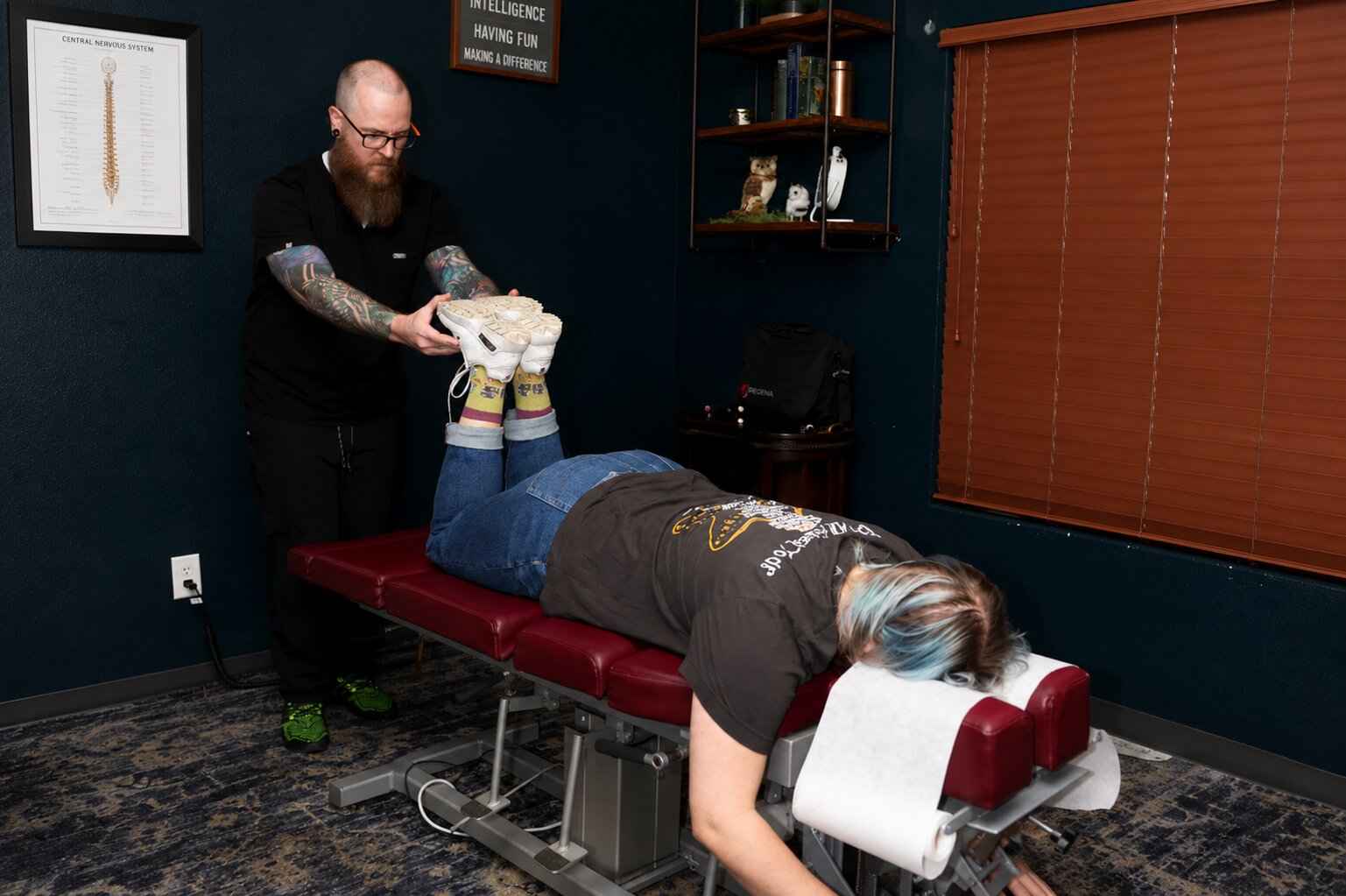
Athletes constantly push their bodies to perform at higher levels. Whether you compete professionally, play recreational sports, or train regularly, physical stress becomes part of the process. Unfortunately, repetitive movements, overtraining, and sudden impacts often increase the risk of injuries. Because of this, many athletes begin looking for a sports injury chiropractor in Greeley to support recovery, reduce discomfort, and improve overall performance while staying active in training and competition.
Sports injuries affect more than muscles and joints alone. They can influence movement patterns, flexibility, posture, and long-term physical health. For athletes who want to recover efficiently while remaining active, chiropractic care often becomes part of a broader recovery strategy.
Understanding Sports Injuries and Their Impact on Performance
Sports injuries occur for many reasons. Some happen suddenly during competition, while others develop gradually because of repetitive stress. Running, lifting weights, cycling, football, basketball, and other activities place repeated pressure on muscles, joints, and connective tissues.
When movement patterns become restricted or muscles compensate for weakness, athletes may begin experiencing reduced performance, pain, stiffness, or limited mobility. Even small movement restrictions may affect overall athletic efficiency.
Because sports place ongoing stress on the body, many athletes seek sports chiropractic approaches that focus on movement quality rather than simply treating symptoms.
What Is Sports Injury Chiropractic?
Sports Injury Chiropractic focuses on evaluating movement patterns, joint function, muscle imbalances, and spinal mechanics that may contribute to athletic injuries. Unlike general treatment approaches that focus only on pain relief, sports-focused chiropractic care often emphasizes:
- Movement efficiency
- Joint mobility
- Recovery support
- Injury prevention
- Performance optimization
Athletes often seek care because they want to continue training while supporting long-term physical health.
How Sports Injury Chiropractic Supports Athletic Recovery
Athletic recovery involves more than simply waiting for pain to disappear. Proper recovery often requires improving movement patterns, restoring mobility, and reducing stress throughout the body.
Improved Joint Mobility
When a joint gets stiff or stops moving properly, your body usually forces other muscles to take over. Over time, these compensation patterns can throw off your form, reduce performance, and sometimes lead to secondary injuries. Improving movement quality may help athletes move more naturally and efficiently.
Better Movement Patterns
Many injuries develop because certain muscles work harder than others. Sports Injury Chiropractic often focuses on identifying these movement imbalances.
Reduced Muscular Tension
Athletes frequently experience tight muscles because of repetitive training. Addressing muscular restrictions may improve recovery between training sessions.
Improved Recovery Efficiency
Athletes often seek chiropractic care for sports injuries because maintaining movement becomes important for returning to training safely.
Common Sports Injuries That Athletes Experience
Athletes participate in different sports, but many injuries appear repeatedly across multiple activities. Lower back pain remains extremely common because running, lifting, and rotational sports place stress on spinal structures. Shoulder discomfort frequently affects athletes who throw, swim, or perform overhead movements.
Knee injuries become common in sports involving jumping, cutting, and quick directional changes. Hip tightness often affects runners and athletes who perform repetitive movements. Neck discomfort may develop after contact sports or poor movement mechanics.
These recurring issues explain why many athletes explore chiropractic care for sports injuries rather than relying only on temporary symptom management.
Why Athletes Choose Sports Chiropractic Care
Athletes often prefer recovery strategies that allow them to keep moving rather than sitting on the sidelines for long periods. At Health by Design Chiropractic, sports-focused care is built around movement, recovery, and helping athletes return to doing what they love.
Dr. Jordan Martin understands this process personally. As a lifelong competitive athlete, she received chiropractic care to recover from a sports injury, then chose to pursue a career in chiropractic medicine.
Our clinic’s recovery ecosystem also includes FranKay Marquez, PT Coordinator, who brings direct experience working as a sports medicine clinician supporting college football teams. This combination of chiropractic care, movement-focused recovery, and sports medicine experience helps create a more comprehensive approach for athletes.
Many athletes report benefits such as:
More efficient recovery routines
Improved flexibility
Better movement confidence
Reduced stiffness
Improved body awareness
The Relationship Between Performance and Recovery
Performance and recovery are closely connected. Athletes who recover poorly often experience reduced strength, fatigue, and increased injury risk.
Recovery involves multiple factors, including:
- Sleep quality
- Mobility work
- Movement patterns
- Nutrition
- Stress management
- Training load
Sports Injury Chiropractic often becomes one part of a broader recovery strategy rather than acting as a standalone solution.
What Happens During a Sports Injury Chiropractic Appointment?
Athletes new to chiropractic care often wonder what to expect. Most appointments begin with movement assessments and discussions about training habits, symptoms, injury history, and goals. Movement screens may identify mobility restrictions, muscle imbalances, or compensation patterns contributing to discomfort.
Treatment itself often focuses on restoring movement rather than simply targeting painful areas. Many providers also recommend exercises, mobility work, posture modifications, and recovery strategies that athletes can perform between appointments.
Why Movement Quality Matters More Than Pain Relief Alone
Pain often represents only one piece of the problem. Athletes may feel better temporarily while underlying movement problems remain unchanged. When poor mechanics continue, injuries often return. Because of this, many sports chiropractic approaches focus heavily on movement quality and long-term physical function.
Improving movement efficiency may help athletes:
- Generate force more effectively
- Reduce compensation patterns
- Improve training quality
- Lower injury risk
Long-term athletic performance depends heavily on movement efficiency.
Supporting Athletic Recovery Beyond Adjustments
Athletic recovery rarely depends on one treatment approach alone. Many athletes in Greeley combine chiropractic treatment with mobility work, rehabilitation exercises, strengthening programs, recovery protocols, and movement coaching.
Integrated recovery strategies often create more sustainable long-term results, which is why many athletes exploring Sports Injury Chiropractic want support that goes beyond short-term pain relief.
When Should Athletes Consider Chiropractic Care?
Athletes often wait too long before addressing movement limitations. You may consider care if you experience: Persistent stiffness after training, recurring injuries, reduced mobility, discomfort during movement, performance plateaus, or delayed recovery between sessions. Addressing smaller problems early may help prevent larger movement restrictions from developing.
Choosing the Right Sports Injury Chiropractor
Finding the right provider matters because athletic injuries create unique demands. Look for professionals who: Understand athletic movement patterns, emphasize functional recovery, communicate clearly, and create personalized treatment plans. Athletes often benefit from providers who focus on performance, mobility, and long-term movement quality rather than short-term symptom relief.
Final Thoughts
Athletes place tremendous stress on their bodies through training, competition, and repetitive movement. Because of this, recovery becomes just as important as performance itself.
Whether you’re training competitively, staying active recreationally, or recovering from an injury, many athletes looking for a sports chiropractor in Greeley explore Sports Injury Chiropractic to improve movement quality, support recovery, reduce compensation patterns, and maintain long-term physical health.
Most importantly, working with knowledgeable professionals, staying consistent with recovery routines, and focusing on long-term movement quality may help athletes remain active, recover efficiently, and continue performing at their best.
Disclaimer
This article is for informational and educational purposes only and should not be considered medical advice, diagnosis, or treatment. Sports injuries and recovery needs vary from person to person. Always consult a qualified healthcare professional to determine the most appropriate treatment plan for your specific condition. Individual results may vary, and participation in any exercise, rehabilitation, or chiropractic program should be discussed with your healthcare provider.
Frequently Asked Questions
1. What is Sports Injury Chiropractic?
Sports Injury Chiropractic focuses on movement quality, joint mobility, and recovery strategies designed to help athletes recover and perform more efficiently.
2. Can sports chiropractic help prevent injuries?
Sports chiropractic may help identify movement restrictions and mobility issues that could contribute to injury risk.
3. Is chiropractic care for sports injuries only for professional athletes?
No. Recreational athletes, runners, gym members, and active individuals may also benefit from chiropractic care for sports injuries.
4. How often should athletes receive chiropractic treatment?
Treatment frequency depends on training intensity, goals, injury history, and recovery needs.
5. Can chiropractic care improve athletic performance?
Improving mobility, movement quality, and recovery efficiency may contribute to better overall athletic performance.